OutdoorArtsUK’s response to Autumn Budget 2026
OutdoorArtsUK welcomes the Government’s decision to fund a feasibility study into a future Olympic and Paralympic bid for the North of England. If the ambition is to create a Games that delivers lasting benefits across the region, culture must be considered from the outset as part of the bid’s delivery model, not simply as an adjunct programme.
What London 2012 taught us
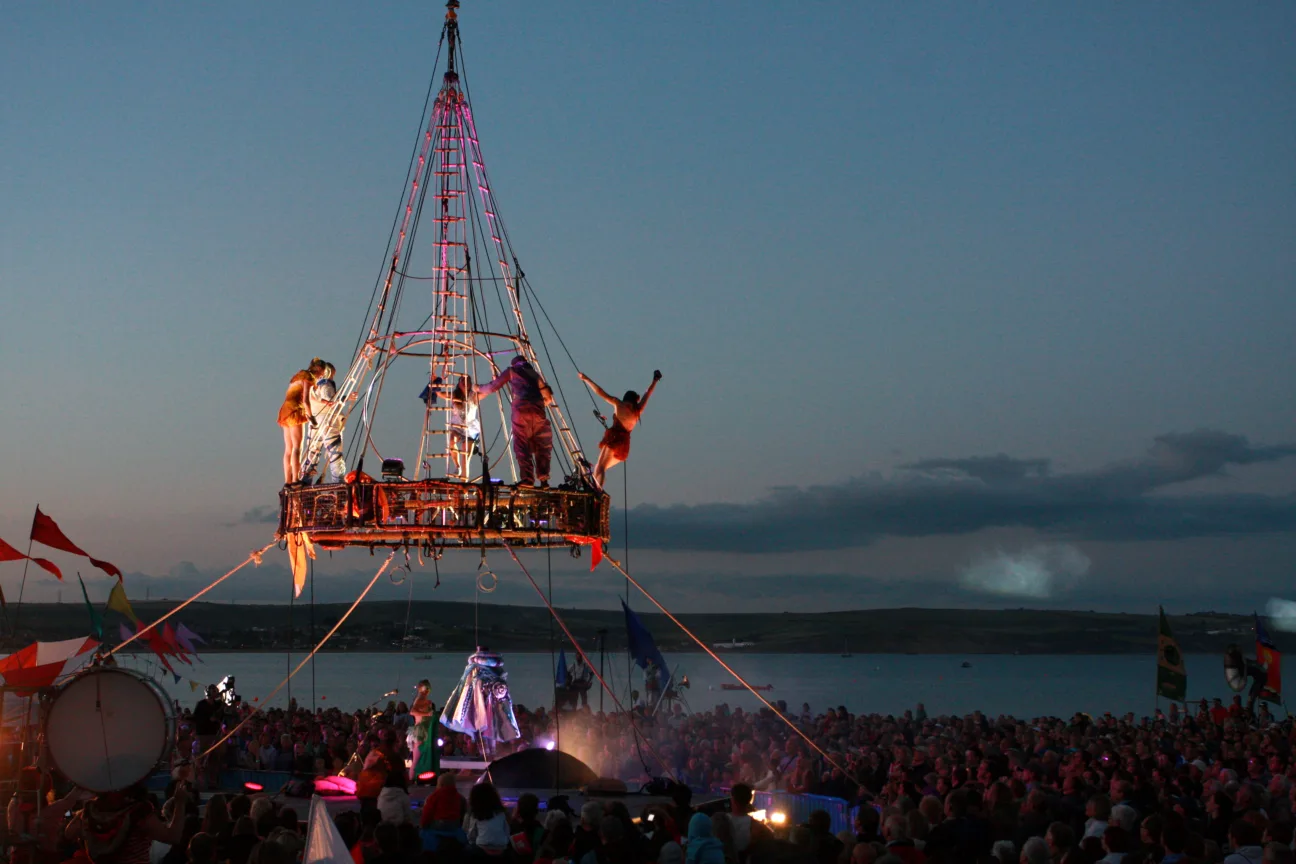
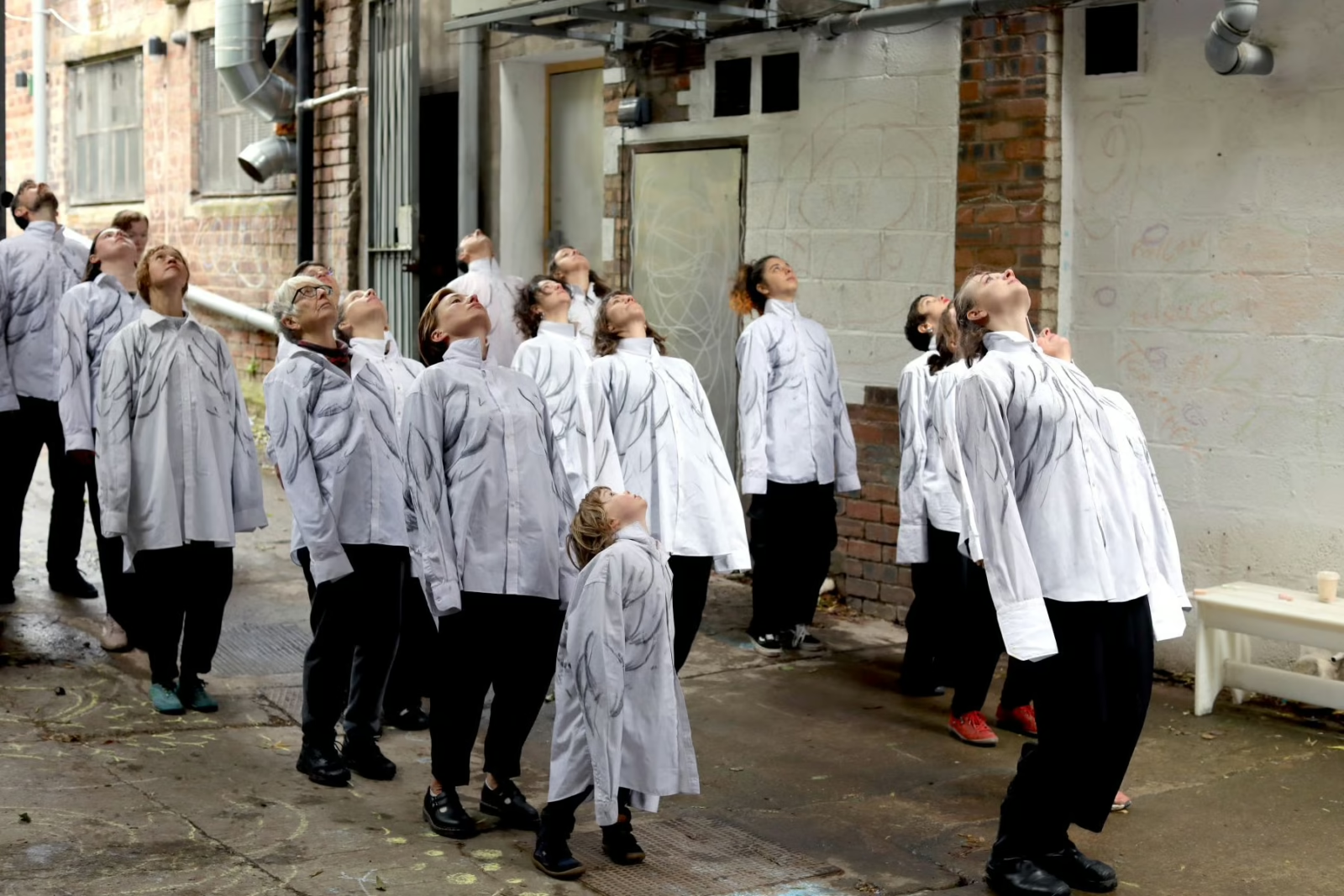
The experience of the London 2012 Cultural Olympiad demonstrated that culture can be one of the most effective ways of connecting major sporting events with the public. The evaluation led by Dr Beatriz Garcia identified engaging audiences and communities, celebrating places, and placing culture at the heart of the Games as key achievements of the programme. More than 43 million cultural experiences were generated, the majority through free activity, helping people experience and participate in the Games far beyond sporting venues. More recently, preparations for Glasgow 2026 have reinforced this principle, with cultural activity and outdoor events recognised as central to ensuring the Games belong to the whole city rather than only those attending competition venues.
For OutdoorArtsUK, one of the most significant lessons from London 2012 and the Commonwealth Games is the role of culture in public space. Festivals, performances and creative activity in streets, parks and public spaces helped transform the Games from a sporting competition into a shared civic experience. This reflects the argument explored in our recent article for Arts Professional, Turning Celebration into Belonging: major events create their greatest impact when communities become active participants rather than passive spectators.
The North already has the foundations
Unlike many aspects of a future Olympic and Paralympic bid, the cultural infrastructure for community participation already exists and can be built upon. The North has developed one of the UK’s strongest ecosystems of outdoor arts, public-space performance and festival-making, through organisations such as Walk the Plank and Light Up The North, and festivals including Stockton International Riverside Festival, Freedom Festival, and BD:Festival.
Their work is supported by sustained investment from local authorities and combined authorities across places including Liverpool City Region, Greater Manchester, the North East, West Yorkshire, and Tees Valley. Together they have developed the partnerships, artistic talent, civic relationships and delivery expertise needed to engage communities at scale through ambitious work in public space. If a future Northern Games is to belong to communities across the North, these assets should be recognised from the outset.
OutdoorArtsUK’s recommendations
- Outdoor arts expertise must be represented within the feasibility study. The Government should formally engage outdoor arts organisations and practitioners as strategic partners throughout the study. Outdoor arts sit at the intersection of culture, placemaking, tourism, participation and major-event delivery, and the sector possesses decades of experience in connecting large-scale public events with local communities. Any assessment of how a future Northern Games can achieve transformational regeneration would be incomplete without this expertise.
- Participation, civic pride and social cohesion should be recognised as measures of success. If a future bid is intended to drive transformational regeneration, success cannot be judged solely through infrastructure, visitor numbers and economic impact. The feasibility study should explicitly assess how the Games could strengthen local identity, build civic pride, increase cultural participation and foster a sense of belonging and social cohesion across communities. The lessons of the London 2012 Cultural Olympiad demonstrate that culture and creativity are essential to achieving these outcomes at scale.
- A cultural legacy framework should be embedded from the outset. Legacy should not be viewed as an outcome of a successful bid, but as a guiding principle for the feasibility study itself. The study should examine how investment in artists, festivals, public spaces, creative networks and cultural participation could contribute to long-term regeneration across the North. A future Northern Games should leave behind stronger communities, thriving cultural ecosystems and lasting public value.
Conclusion
The evidence from the London 2012 Cultural Olympiad suggests that culture is one of the principal ways that major sporting events become meaningful, accessible and owned by the public. Through decades of investment in festivals, artists, public-space performance and community celebration, the North has a strong foundation to help a future Games belong to local people.
OutdoorArtsUK looks forward to working with DCMS, Arts Council England, Northern Mayors and partners across sport and culture to ensure that outdoor arts colleagues in the North are recognised as strategic contributors to participation, placemaking and legacy within the feasibility study of a future bid.
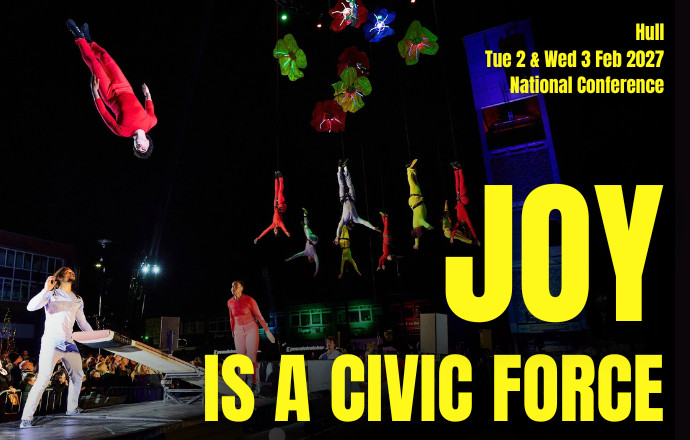
Image Credits
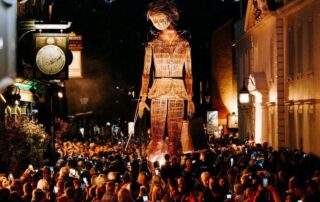
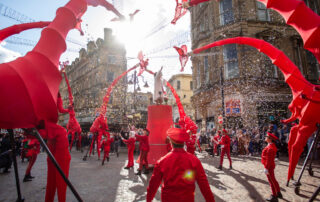
- Battle for the Winds by Desperate Men and Cirque Bijou, London 2012, photo: Maisie Hill
- FLOCK by Bex Anson for Glasgow 2026, photo: Katherine Anne Rose
- RISE! by L’homme Debout at Freedom Festival 2018
- Green Space Dark Skies event at Scafell Pike as part of UNBOXED: Creativity in the UK, led by Walk The Plank, 2022, photo: Jason Lock
- Les Girafes by Compagnie Off, Bradford 2025, captured by Andy Benge (Aug 2024)