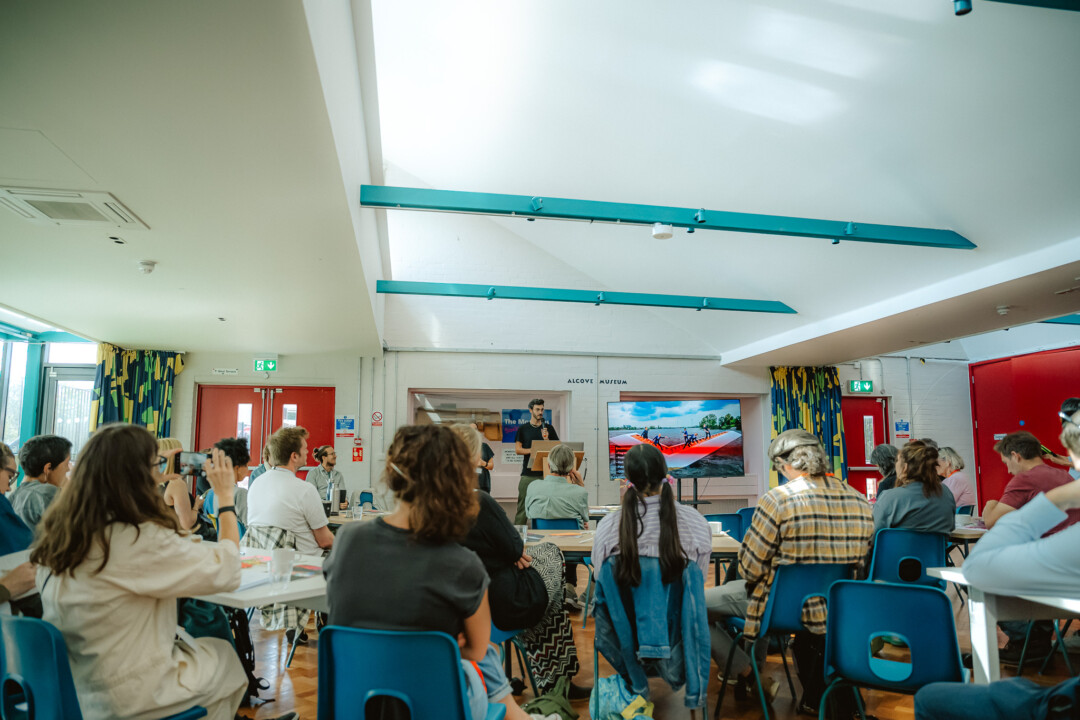
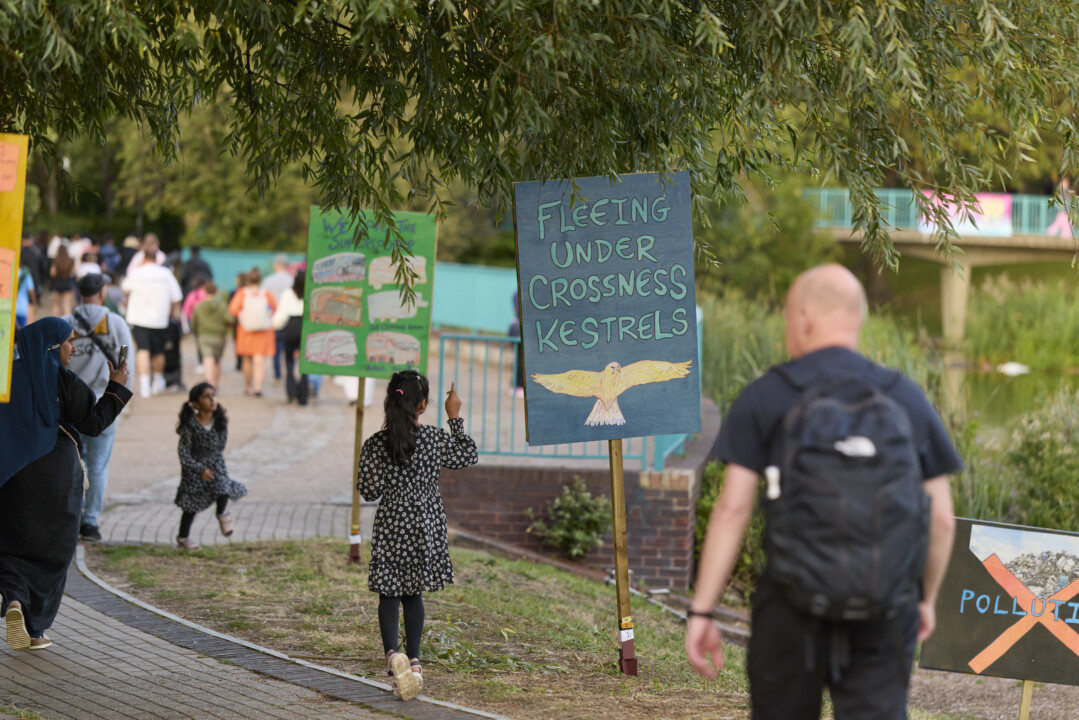
Somewhat ironically, under the flight path of London City Airport, OutdoorArtsUK, FESTIVAL.ORG and Arts Council England brought together artists, producers, and sector leaders for Greenwich+Docklands International Festival (GDIF) Climate Gathering in Thamesmead. The intention was to explore how outdoor arts can respond to the climate crisis.
This event was kindly supported by Peabody and Arts Council England.
Slow Touring with Global Streets
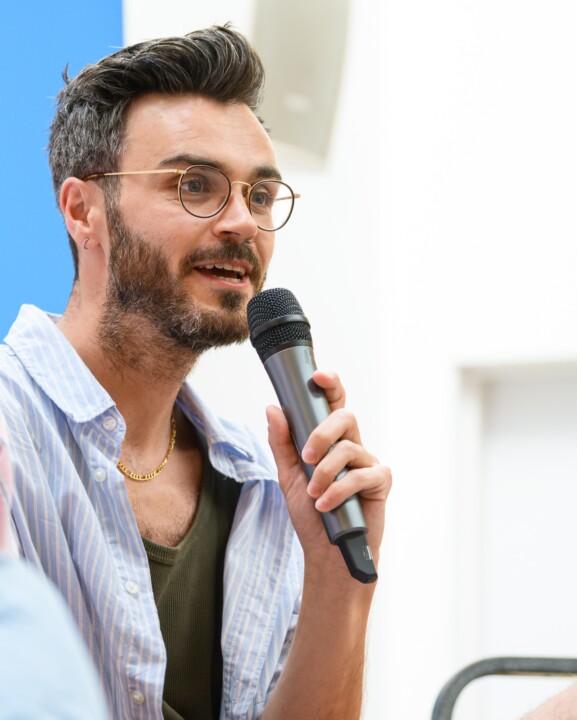
Opening the day was Kevin Wratten, Producer at FESTIVAL.ORG, and he set the tone with examples of how sustainability has been woven into the heart of the Global Streets network, now celebrating 10 years of partnership working. From programming and production to marketing and CO₂ tracking. Projects like The Weight of Water and Pram People show how concepts such as “slow touring” can change how work is created and how it is presented in a touring context.
Eco’Operation with OutdoorArtsUK
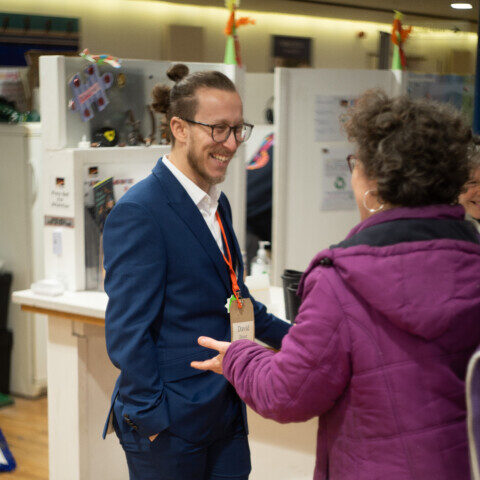
Following Kevin was David Doust, General Manager and sustainability lead at OutdoorArtsUK, who introduced Eco’Operation – an online platform that helps festivals share international touring work, aiming to reduce both carbon footprint and travel budgets for presenters.
Festivals anywhere in the world are invited to join the network for a small annual fee, or free of charge for OutdoorArtsUK Member. Find out more about Eco’Operation.
Access and Sustainability with Attitude is Everything
Johann Meux, Inclusions Project Manager at Attitude is Everything, highlighted the extensive work they’ve done to make sure that access is interwoven with sustainability. Disabled people make up one in five of the UK workforce and are disproportionately affected by climate change, yet are often excluded from climate and sustainability planning. Their toolkit No Climate Action Without Us, created with Julie’s Bicycle and A Greener Future, helps live events balance sustainability with inclusion. The toolkit highlights real-world tensions: banning plastic straws reduces waste but excludes those who need them; green travel initiatives often overlook accessible options; sustainable alternatives for facilities which clash with access requirements.
Through case studies from Green Man and Shambala festivals, Johann showed how co-designing solutions with disabled people leads to better outcomes. Disabled audiences and artists should never be blamed or shamed for needing single-use items, cars, or extra equipment. Climate action must go hand in hand with human dignity. Our rising tide must lift all boats, or it will only reinforce the same prejudices and divisions that already exist.
Can Outdoor Arts Change Human Behaviour? with Centre for Cultural Value
Closing the speakers panel, Dr Rob Eagle, from Centre for Cultural Value at the university of Leeds, gave us this provocation: how do we know if climate-related performance actually changes behaviour? Too often, outdoor arts assumes its messages are landing, without robust evidence. Largely, Rob’s research has shown that it is highly unlikely that any one particular show is going to shift a person’s perspective. His research suggests that being a ‘drop in the bucket’ of the creative climate conversation is part of the process, eventually reaching a ‘tipping point’ that leads to behavioural change and impact. This is referred to as the Blue Planet Effect. Where, after several years of plastic pollution and single use plastics being part of conversations in the cultural zeitgeist, Blue Planet came along and ‘tipped the bucket’, creating lasting impact and behaviour changes.
Therefore, he called for a longer-term approach. During evaluation, we need to look at how performances sit within broader cultural stories, how climate messages are framed, and only through long term measurement can we know how behaviours shift over time. Short-term surveys for funders aren’t enough, longitudinal research into audience development and behavioural change is required for outdoor arts to demonstrate its true impact.
Summary
The day ended with a reminder: outdoor arts can’t solve the climate crisis alone. But it can be a vital ‘drop in the bucket’. By embedding accessibility, telling stories differently, and reaching people in unexpected places, our sector can continue to be a wave in the changing tide of climate conversation. Who knows, maybe in a few years’ time we’ll refer to it as the ‘Outdoor Arts Effect’.
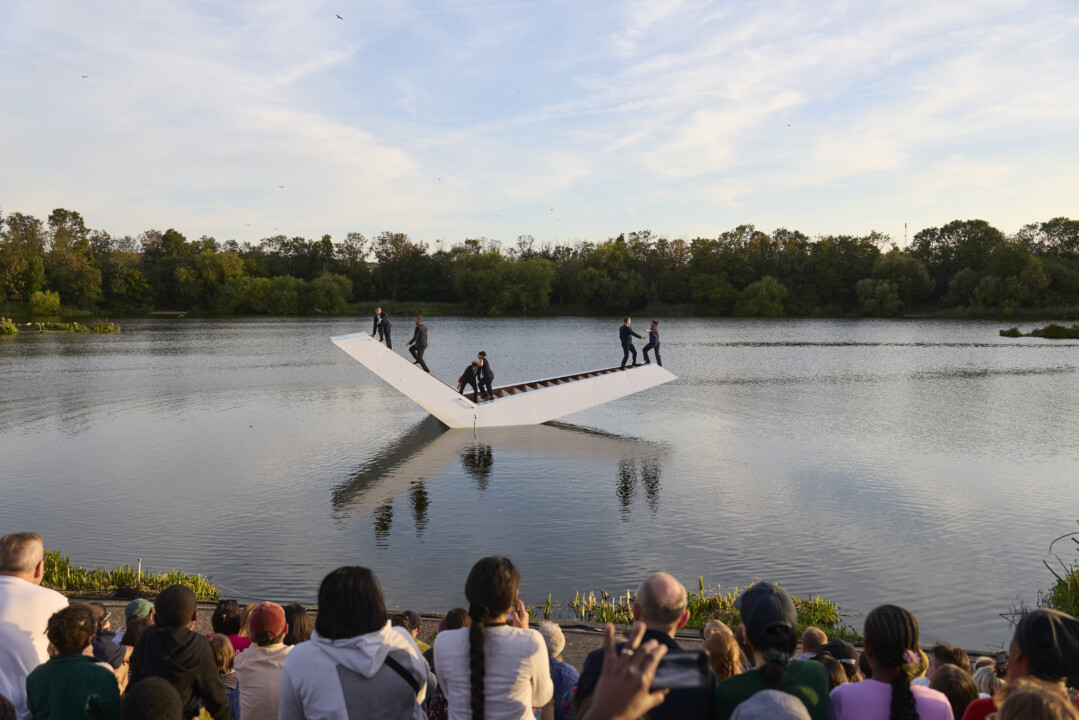
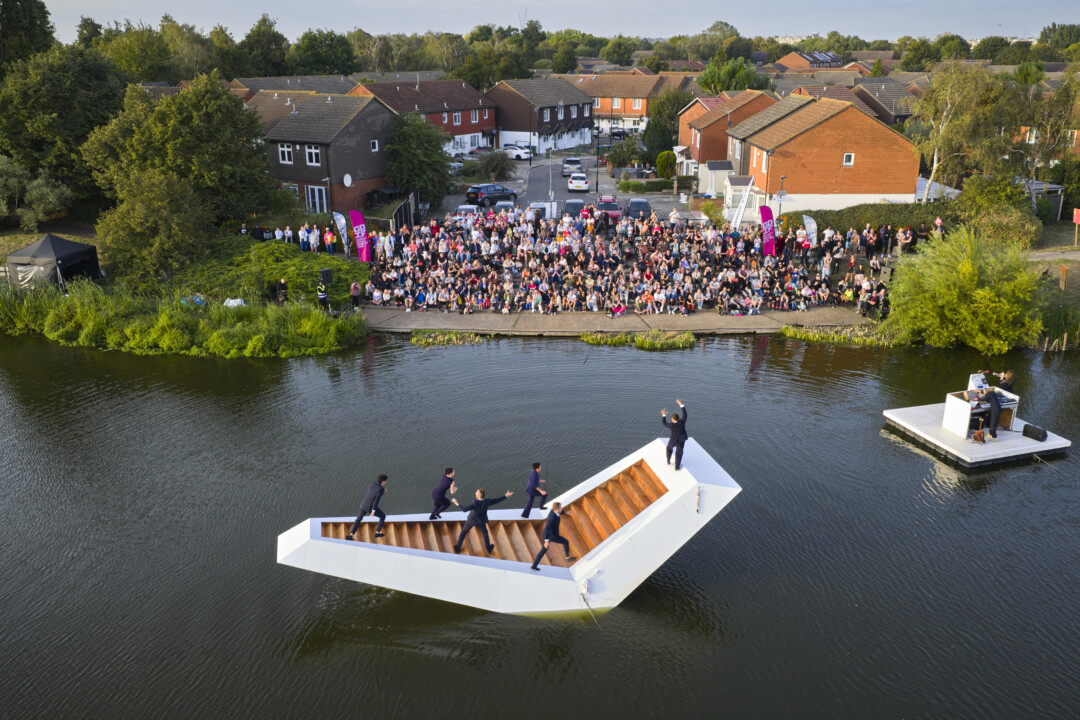
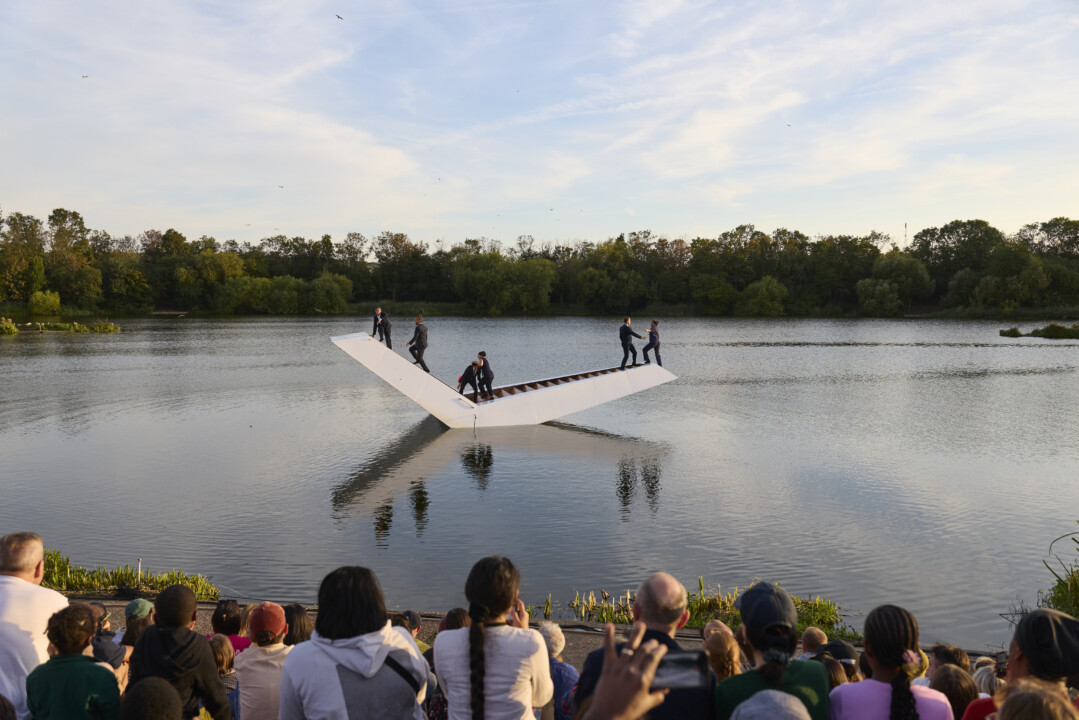
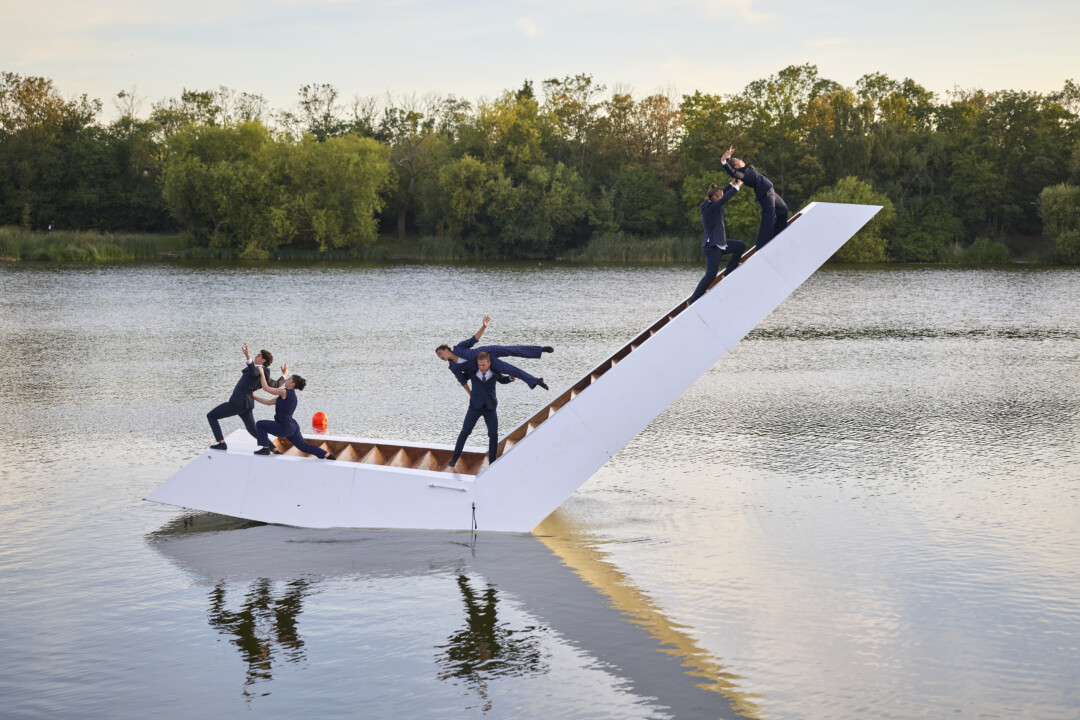
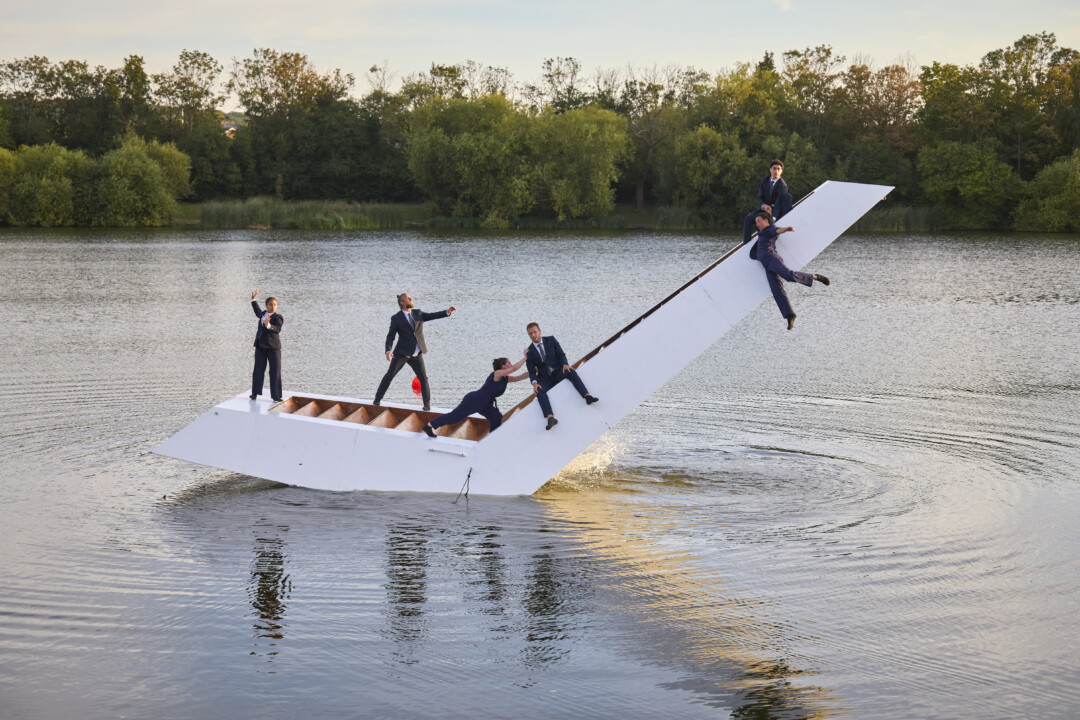
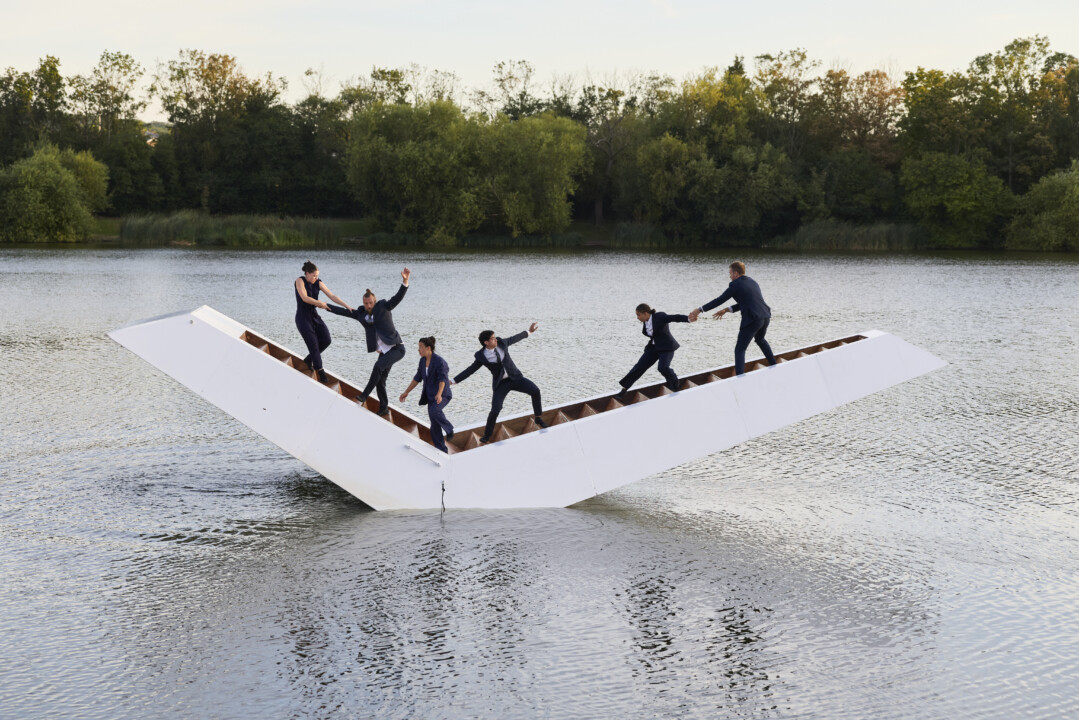
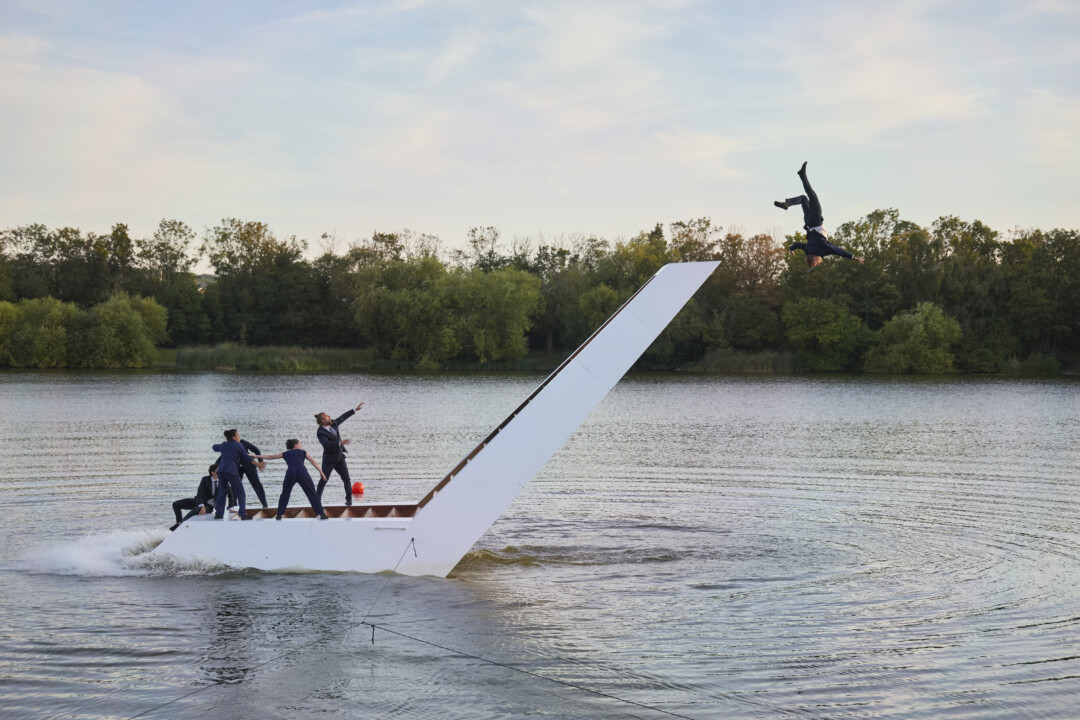
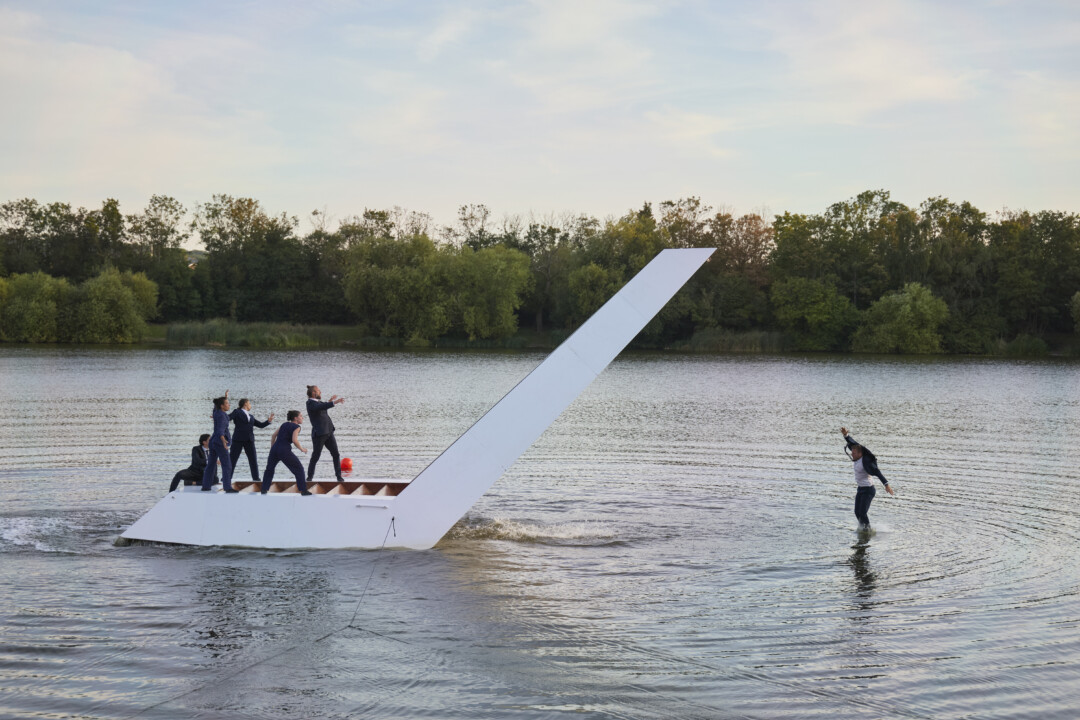
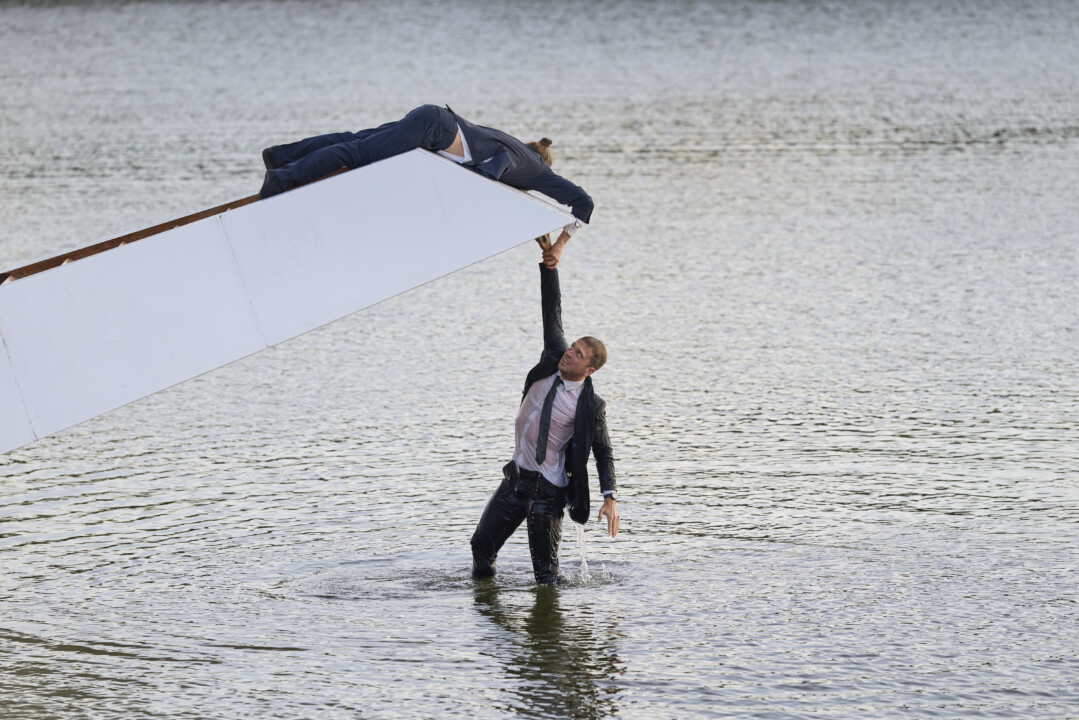
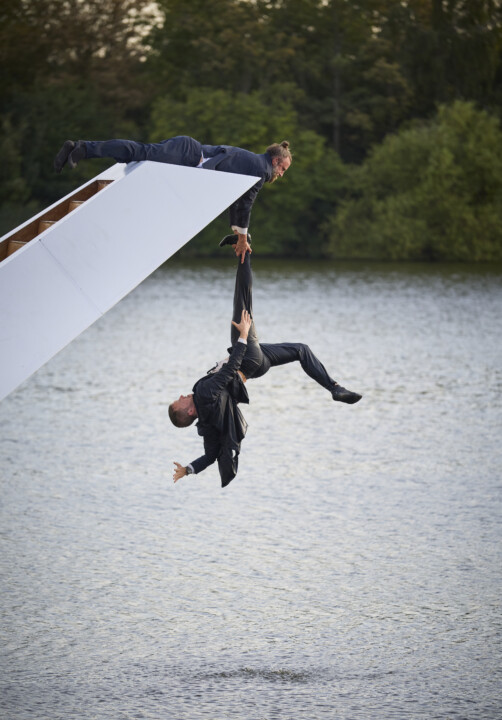
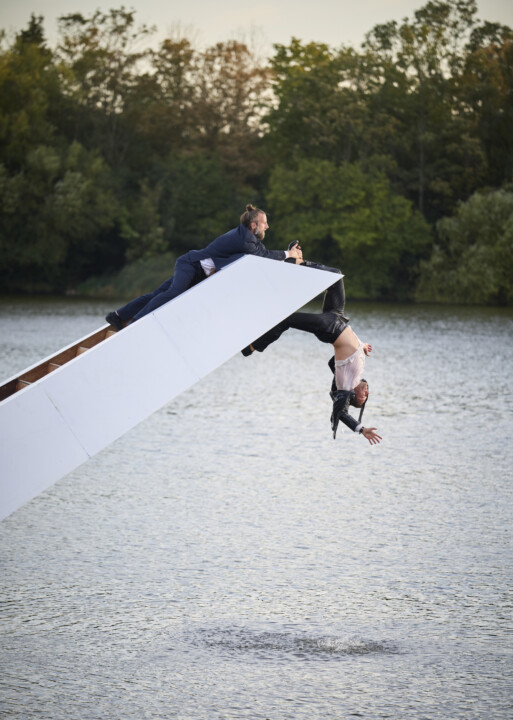
Performance of The Weight of Water by Panama Pictures
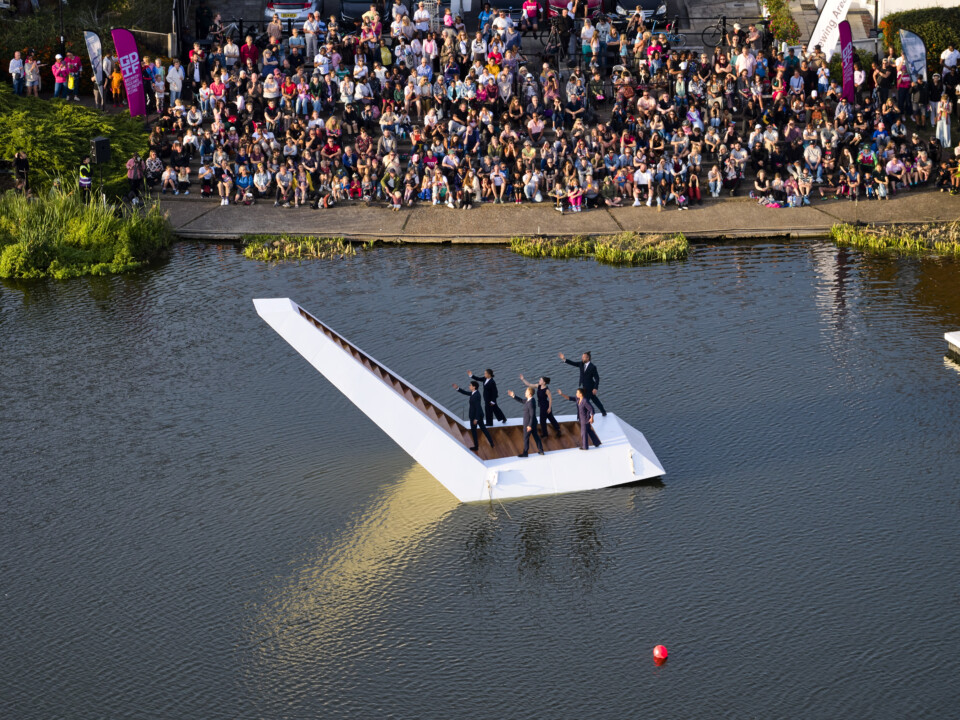
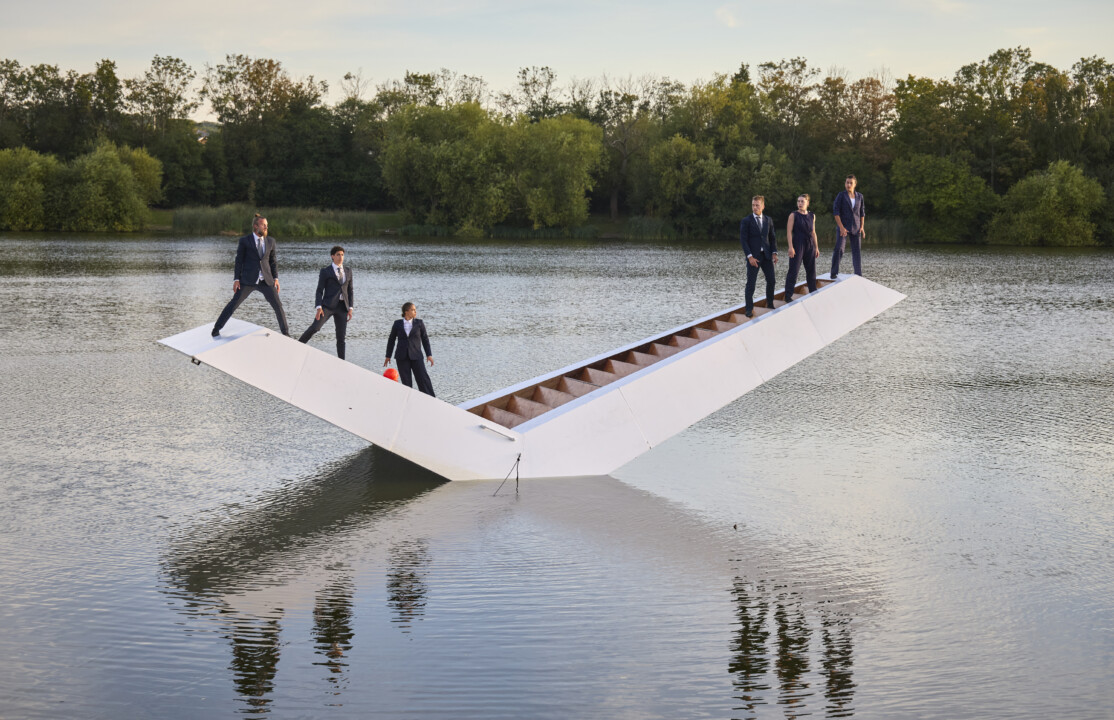
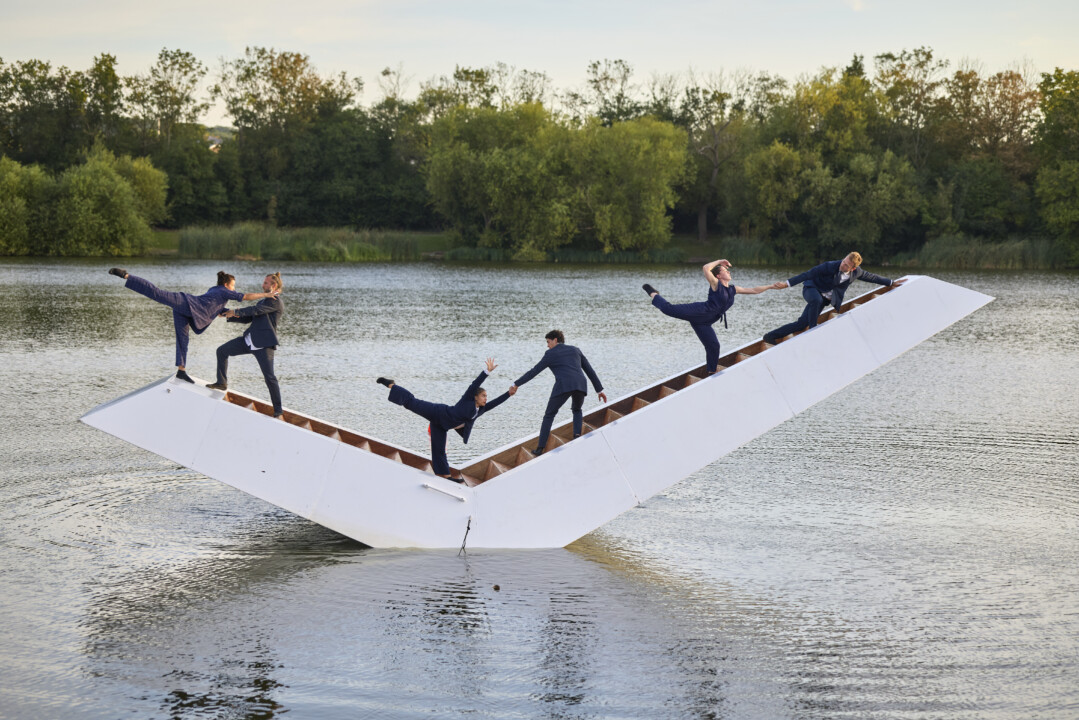
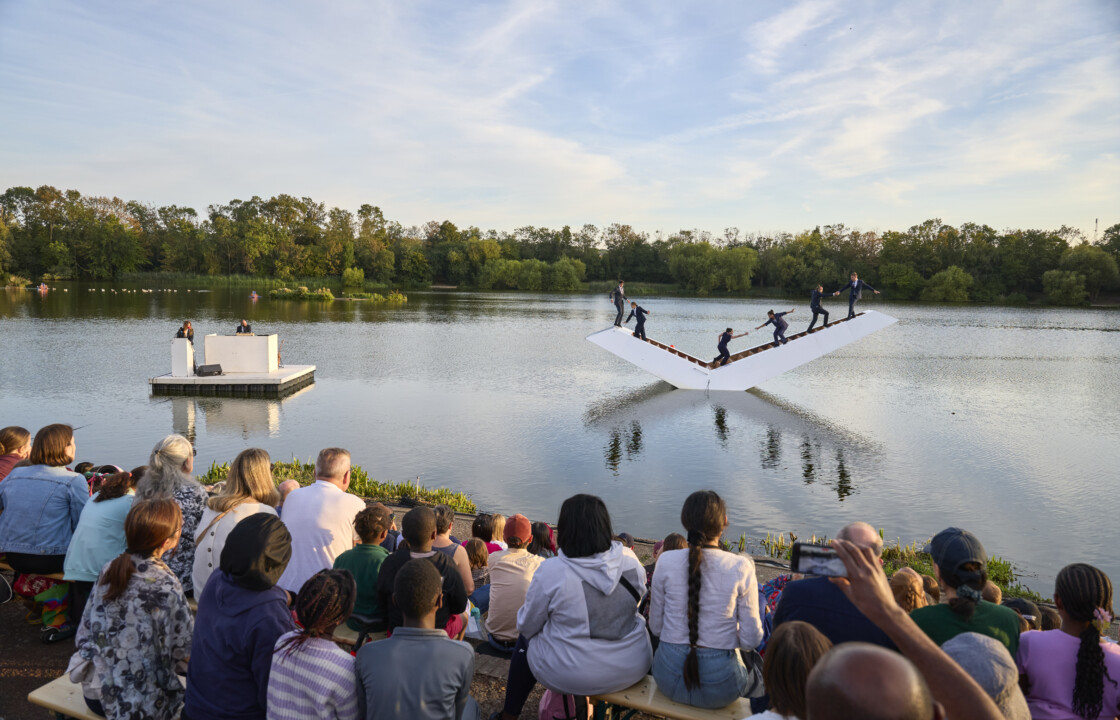
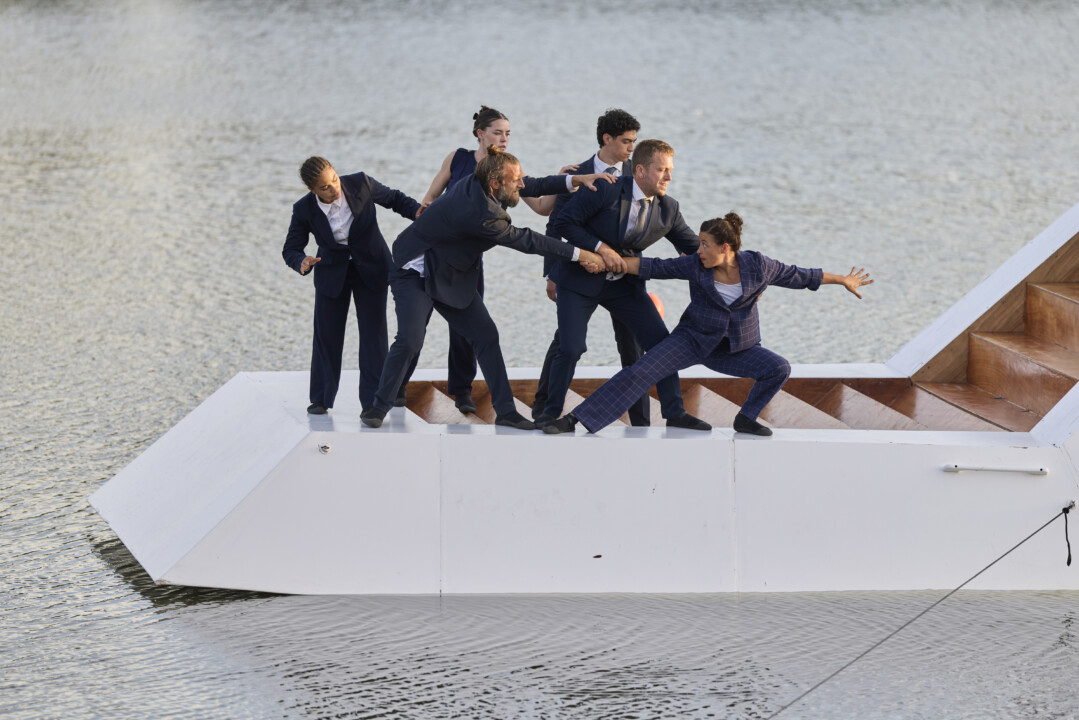
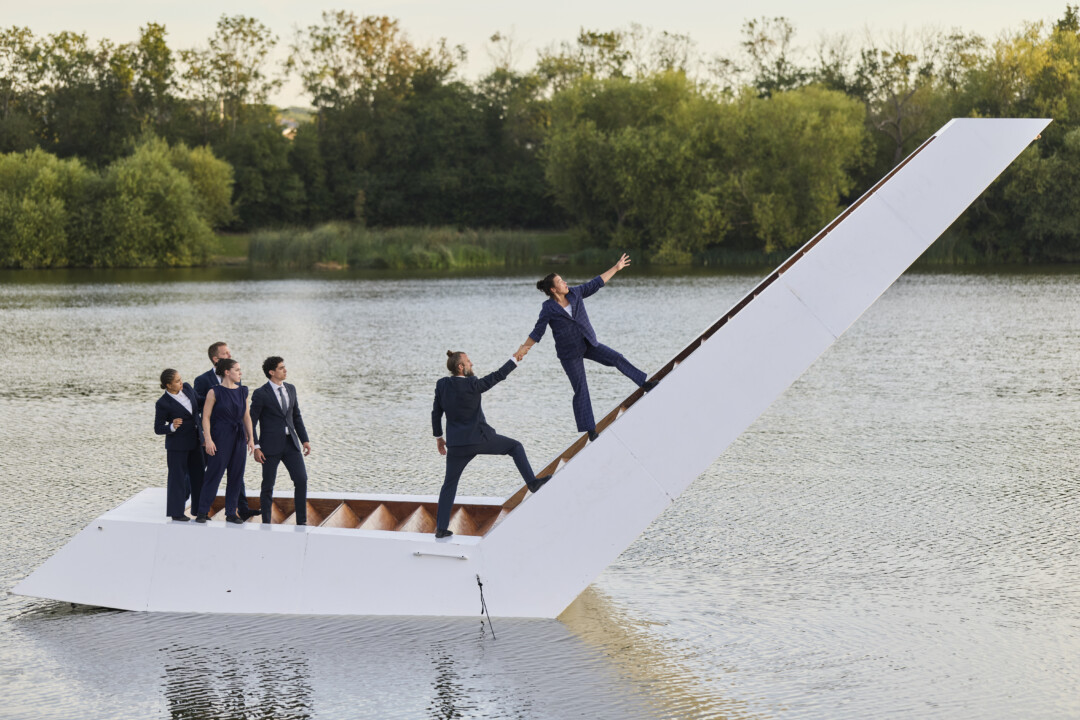
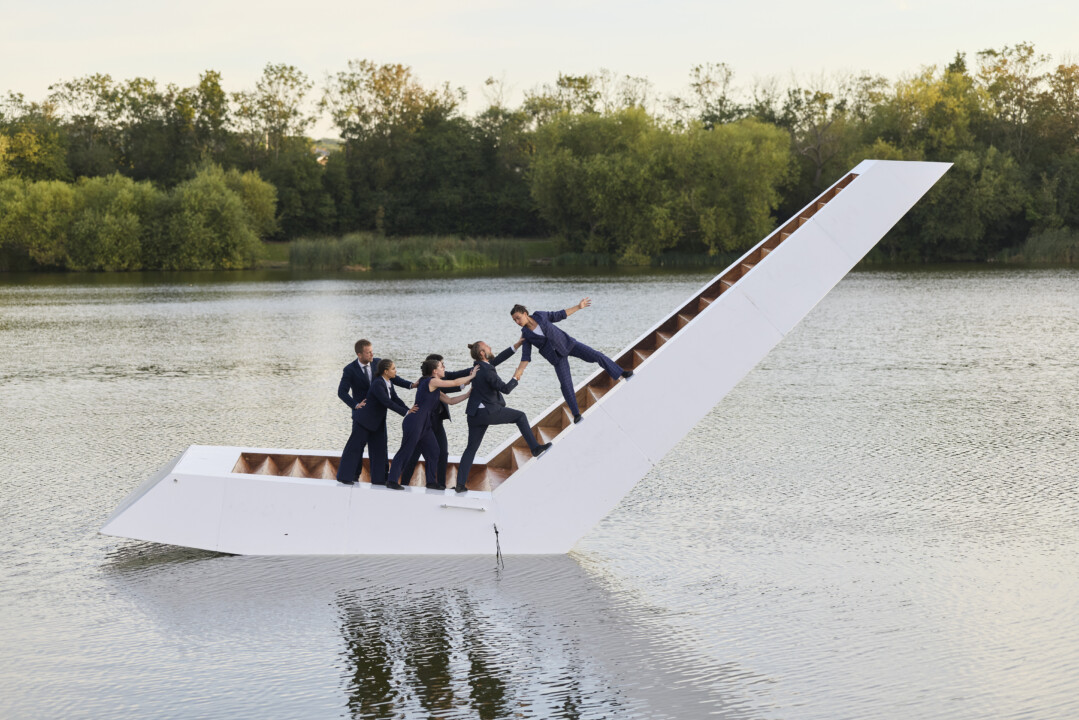
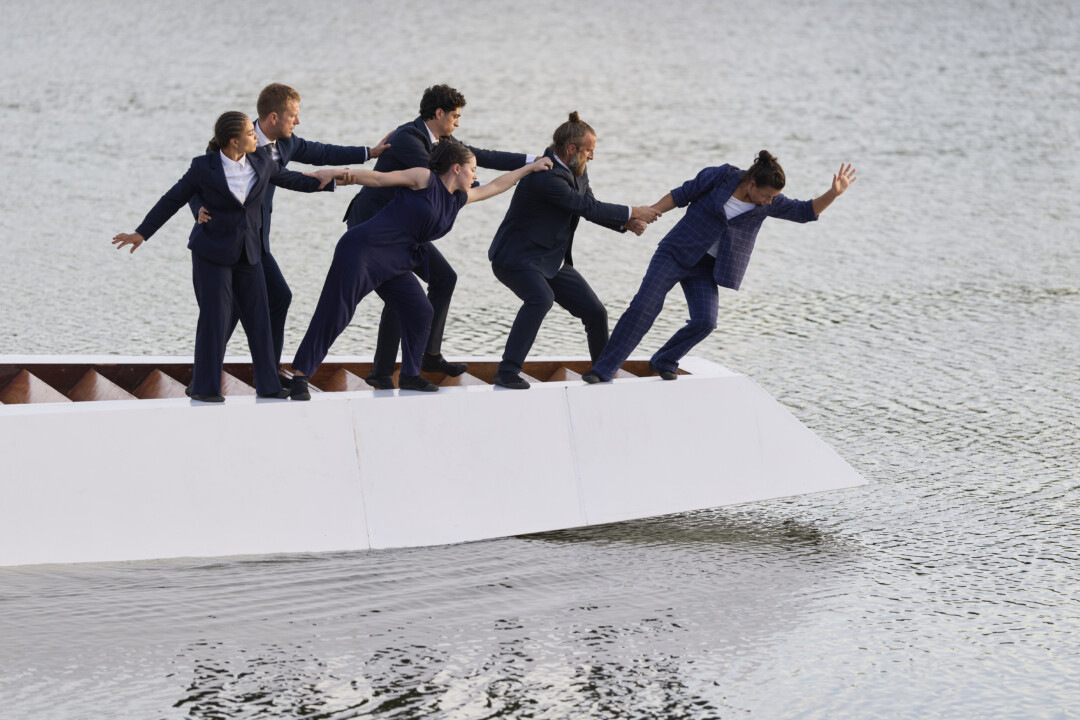
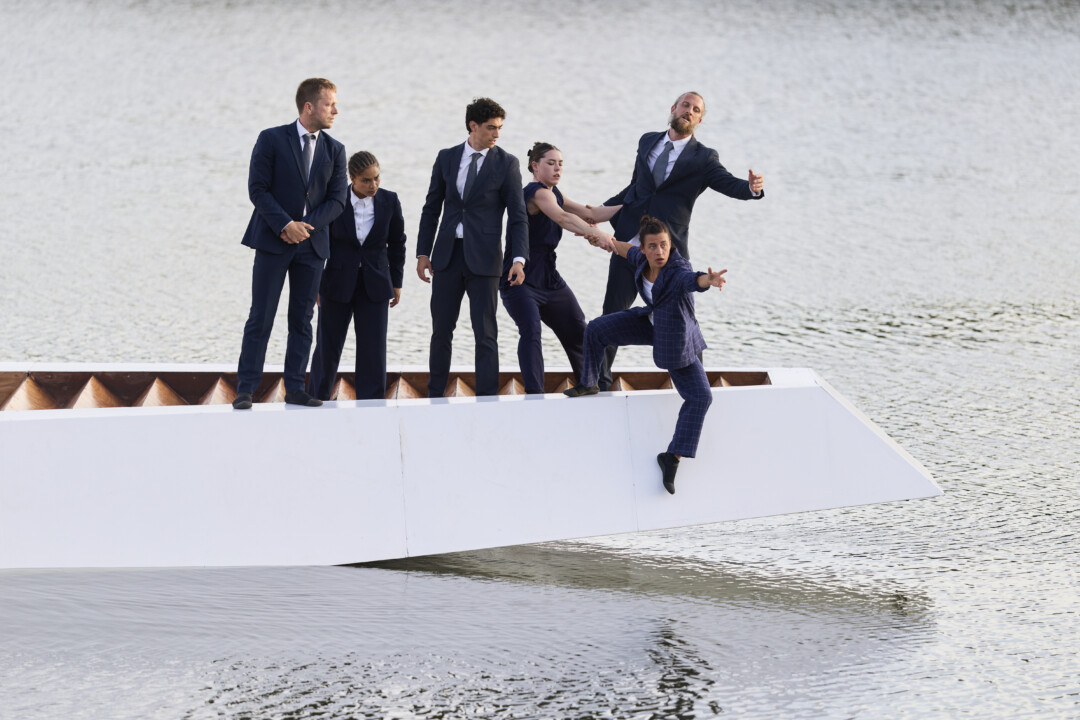
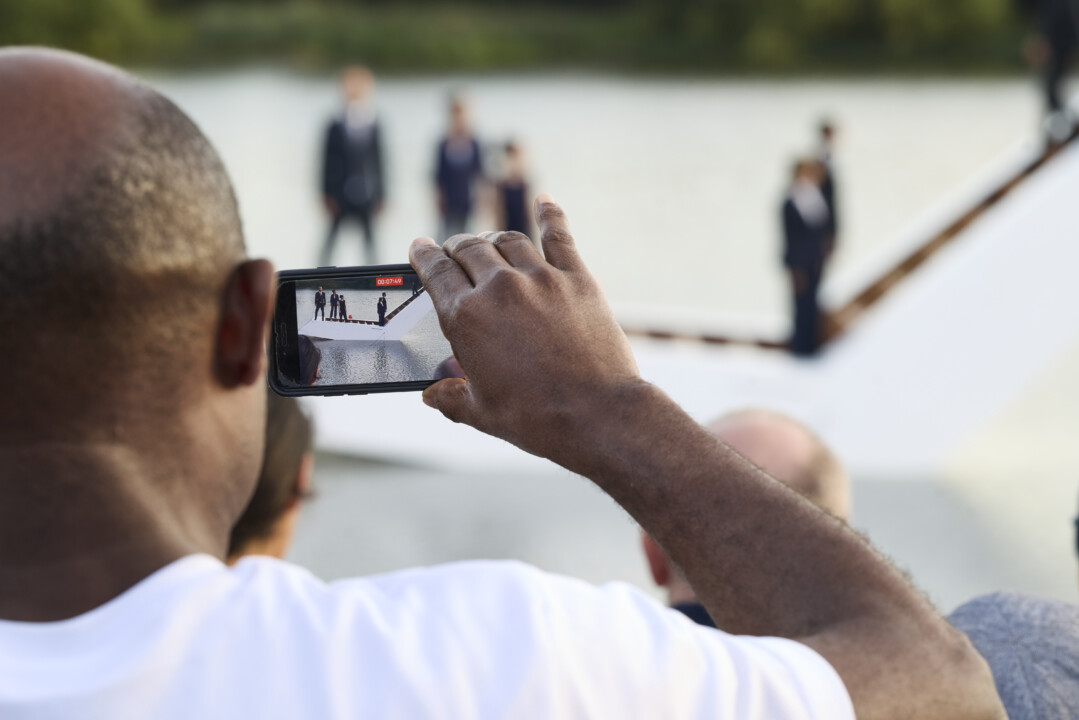
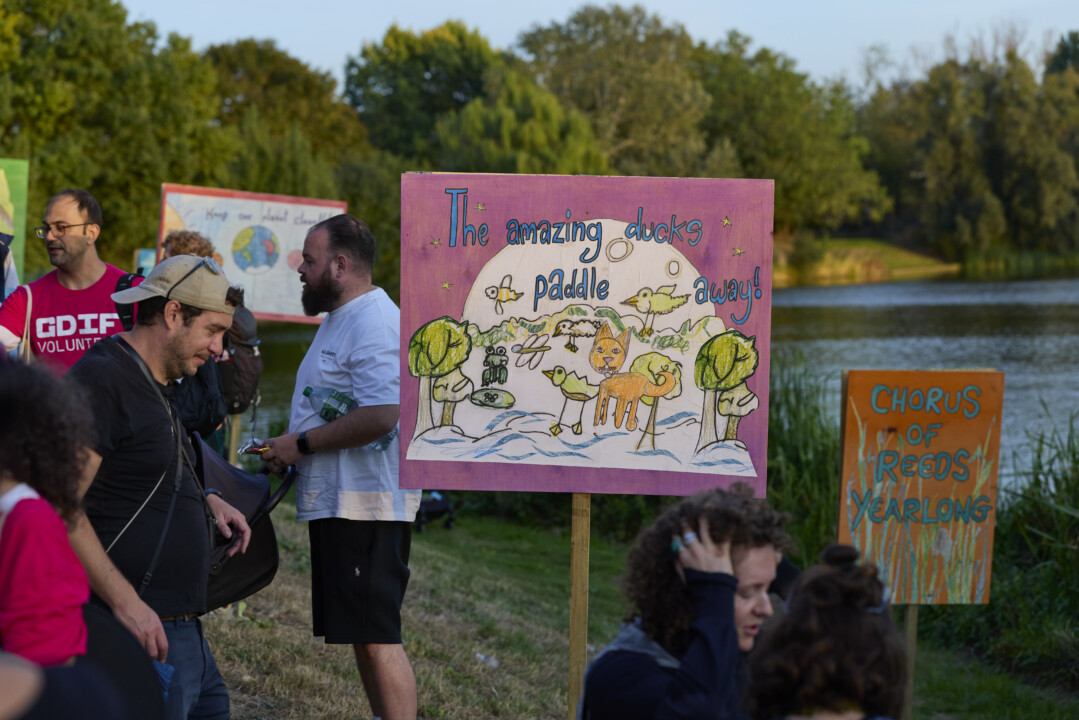
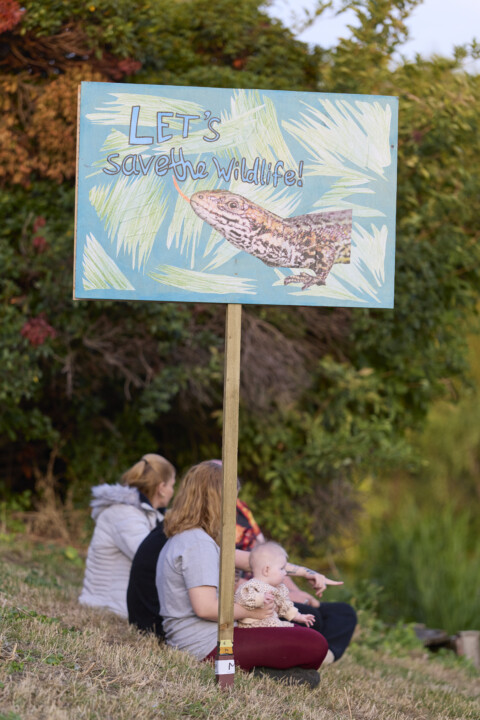
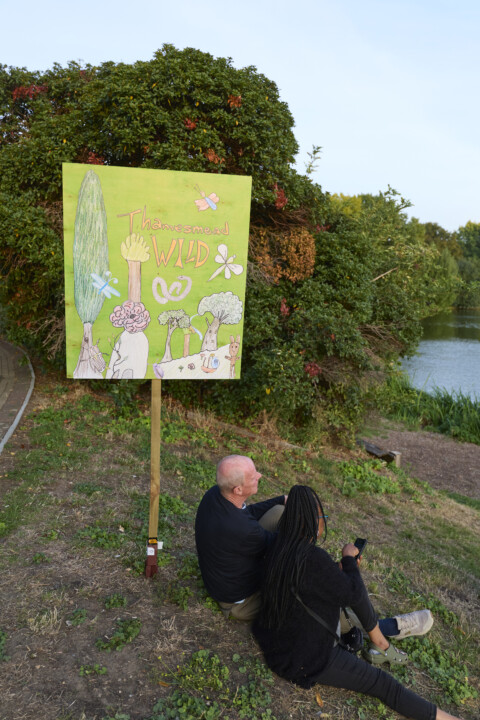
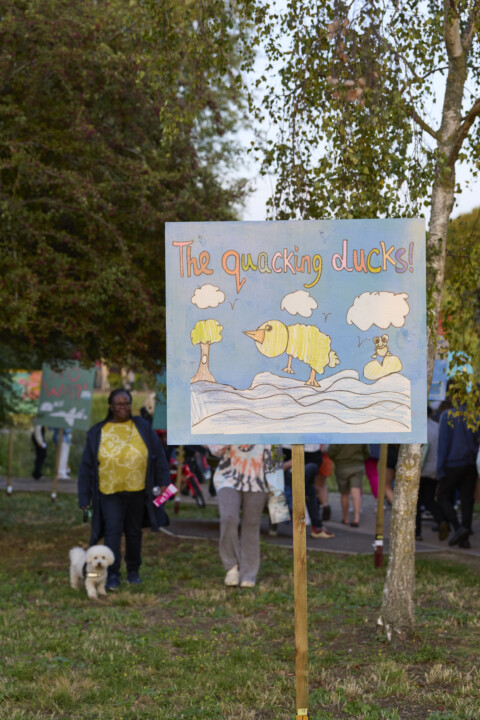
After the gathering, attendees were invited to attend the performance of The Weight of Water by Panama Pictures at Birchmere Lake. Described as a “modern parable of global warming, which merges dance and circus on water to nail-biting effect” this production was presented by Greenwich+Docklands International Festival and part of the Global Streets touring initiative. Find out more here.




Join OAUK
Join OAUK to become part of the Outdoor Arts community – with discounts, regular news updates, access to friendly support and resources, opportunities to develop skills and invitations to contribute to sector advocacy.
Image Credit: The Weight of Water by Panama Pictures at Greenwich+Docklands International Festival 2025© David Levene